




Closing the Audit Loop

Audit Evidence and Control Testing: Methods, Standards and Best Practices

Audit evidence and control testing form the foundation of a reliable internal audit process. Without structured testing and verifiable evidence, audit findings lack credibility and remediation efforts become difficult to justify.

Effective audit execution requires organisations to gather sufficient, appropriate evidence and apply consistent internal control testing methods to assess whether controls are designed and operating as intended.

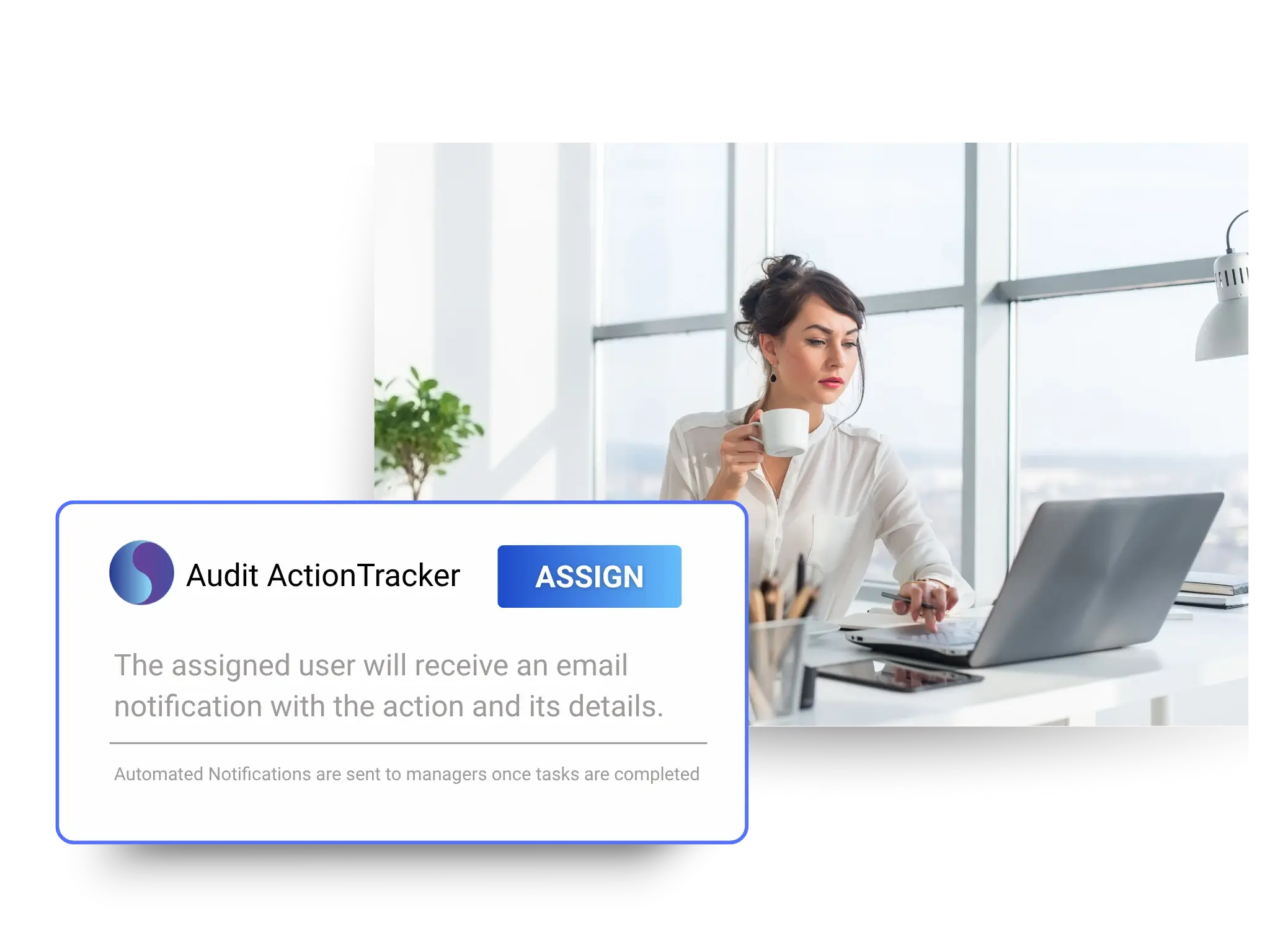
Stay in control with precision-timed notifications. Symbiant’s audit management software automatically alerts team members and managers about every upcoming or overdue task, reducing delays and boosting accountability across the board.

Audit Fundamentals

What Are Audit Findings? Identifying Control Gaps and Driving Remediation

Audit findings are the result of audit testing procedures and evidence analysis. They represent gaps between expected control performance and actual operational behaviour.

Audit findings highlight areas where processes, controls, or activities do not operate as intended, and where improvements are required to reduce risk or ensure compliance.

Common Types of Audit Findings

Audit findings typically identify:

control weaknesses or failures
• non-compliance with policies or regulatory requirements
• inefficiencies in operational processes
• recurring incidents or unmanaged risks

Understand how organisations turn audit findings into corrective actions, ensuring issues are resolved and controls operate effectively

Audit Best Practice

The Four Elements of a Strong Audit Finding: Condition, Criteria, Cause and Effect

In professional auditing, a well-defined finding clearly explains both the issue and its impact. Strong audit findings typically include:

Condition – what is currently happening
Criteria – what standard or control should be met
Cause – the root cause of the issue
Effect – the risk or impact on the organisation

Turn audit findings into measurable improvements with structured remediation tracking, accountability, and connected governance

Audit Value

Why Audit Findings Matter for Risk, Compliance and Governance

For audit findings to deliver value, they must be supported by clear evidence and linked to the relevant control or risk.

When structured effectively, findings provide the foundation for remediation actions and help organisations strengthen control effectiveness, reduce risk exposure, and improve governance outcomes.

See how audit findings are linked to remediation actions, improving control performance, risk visibility, and governance oversight

From Insight to Action

Turning Audit Findings into Actionable Remediation Plans

Once an audit finding is identified, it must be translated into a clear and actionable remediation step. Without structured follow-up, findings risk remaining unresolved, reducing the effectiveness of the audit process.

Turning findings into action involves:

• identifying the root cause of the issue
• defining the corrective action required
• assigning responsibility to an action owner
• setting realistic timelines for completion

A well-defined remediation plan ensures that audit findings lead to measurable improvements rather than remaining as static observations. These remediation outcomes should feed back into your risk register to support continuous risk assessment and audit planning.

Learn how to manage audit findings and remediation actions, improving accountability, control effectiveness, and governance visibility

Structured Workflow

The Audit Remediation Process: Turning Findings into Action

A consistent remediation process helps organisations manage audit findings in a structured and repeatable way.

Typical audit remediation workflow:

  1. Identify audit finding
  2. Analyse root cause
  3. Define corrective action
  4. Assign action owner
  5. Track progress
  6. Validate effectiveness


This structured approach ensures that findings are not only documented, but actively resolved and verified.

Learn how to translate audit findings into remediation actions, ensuring issues are tracked, resolved, and validated effectively

Accountability and Oversight

How to Ensure Audit Remediation: 4 Best Practices for Internal Audit Success

Implementing Risk-Based Internal Auditing typically follows a structured cycle that connects risk identification, audit planning, testing, and remediation. This structured approach allows internal audit to provide targeted assurance while supporting the organisation’s broader risk management objectives.

Assign Clear Ownership (The "Action Owner")

Every audit finding must have a single point of accountability.

Best Practice: Assign actions to a specific individual (not just a department) who has the authority to implement changes. This prevents the "bystander effect" where everyone assumes someone else is handling the fix.

Monitor Progress Against Hard Deadlines

Time-bound goals are essential for effective remediation tracking.

Within Symbiant, remediation actions can be assigned with defined target dates and monitored through structured workflows. Automated notifications help ensure that action owners are reminded of upcoming deadlines, while audit teams can schedule review points to verify that corrective actions have been completed and are operating effectively.

Mandate Supporting Evidence for Closure

An action should not be considered complete without evidence that the remediation is effective.

Best practice: require proof of remediation, such as updated policy documents, system screenshots, or training records. This ensures that corrective actions are properly implemented and creates a reliable audit trail for future reviews.

Within Symbiant, action owners can upload supporting documentation directly to each remediation action, ensuring that completion is evidenced, traceable, and available for audit validation.

Implement an Escalation Path for Overdue Actions

Delays in remediation are sometimes unavoidable, but they should not go unnoticed.

Best practice: define clear escalation thresholds for overdue actions. For example, if an action exceeds a defined timeframe, it should be escalated to senior management or the audit committee to ensure visibility and accountability.

Within Symbiant, overdue actions can be automatically highlighted and escalated through structured workflows and notifications, helping organisations maintain oversight and ensure that critical issues are addressed in a timely manner.


 Assign Clear Ownership (The "Action Owner") Monitor Progress Against Hard Deadlines Mandate Supporting Evidence for Closure  Implement an Escalation Path for Overdue Actions

Connected Governance

Linking Audit Findings to Risk and Controls

Audit findings provide critical insight into the organisation’s broader risk environment and should not exist in isolation.

When integrated within a connected governance framework:

  • control failures identified during audits can inform control effectiveness assessments
  • audit findings can drive updates to residual risk scores
  • recurring issues can highlight systemic weaknesses across the organisation
  • incident data can reinforce or validate audit observations


By linking findings to risks, controls, and incidents, organisations gain a more complete and accurate view of their risk landscape, supporting stronger oversight and more informed decision-making.

Audit findings should lead to action. Discover how structured remediation tracking helps organisations resolve issues and reduce risk

Continuous Improvement

Monitoring Remediation and Strengthening Risk Management

Remediation activities provide ongoing insight into how effectively risks are being managed across the organisation.

By analysing remediation data, organisations can:

  • identify recurring control failures and underlying root causes
  • detect patterns across departments, processes, or business units
  • measure improvements in control effectiveness over time
  • refine future audit planning based on real-world outcomes


This creates a continuous feedback loop in which audit findings inform risk management, and strengthened controls reduce future audit exposure.

Audit findings identify control gaps. Learn how to turn them into remediation actions that reduce risk and strengthen organisational oversight

Structured Action Management

Using Symbiant Audit Action Tracker to Manage Audit Findings and Remediation

Symbiant’s robust Audit Action Tracker supports the transition from audit findings to remediation through structured action tracking within a connected governance framework.

Audit findings can be translated into remediation actions, assigned to responsible owners, and monitored through to completion. Automated notifications help ensure that deadlines are met, while dashboards provide clear visibility into outstanding actions and remediation progress.

The platform enables organisations to link remediation actions directly to risks, controls, and audit findings, creating a consistent and traceable audit trail across all governance activities.

Symbiant’s optional AI Assistant can support users by helping analyse findings, explore root causes, and surface connections across related data. All outputs remain subject to user review and approval.

Internal audit questionnaires provide structured testing that supports risk-based audit planning, control evaluation, and reliable audit evidence